Laser toner
Toner refilling that holds its yield.
Any make, any laser cartridge. Refilled to original specification, the worn parts checked rather than ignored, and test-printed before it comes back to you.
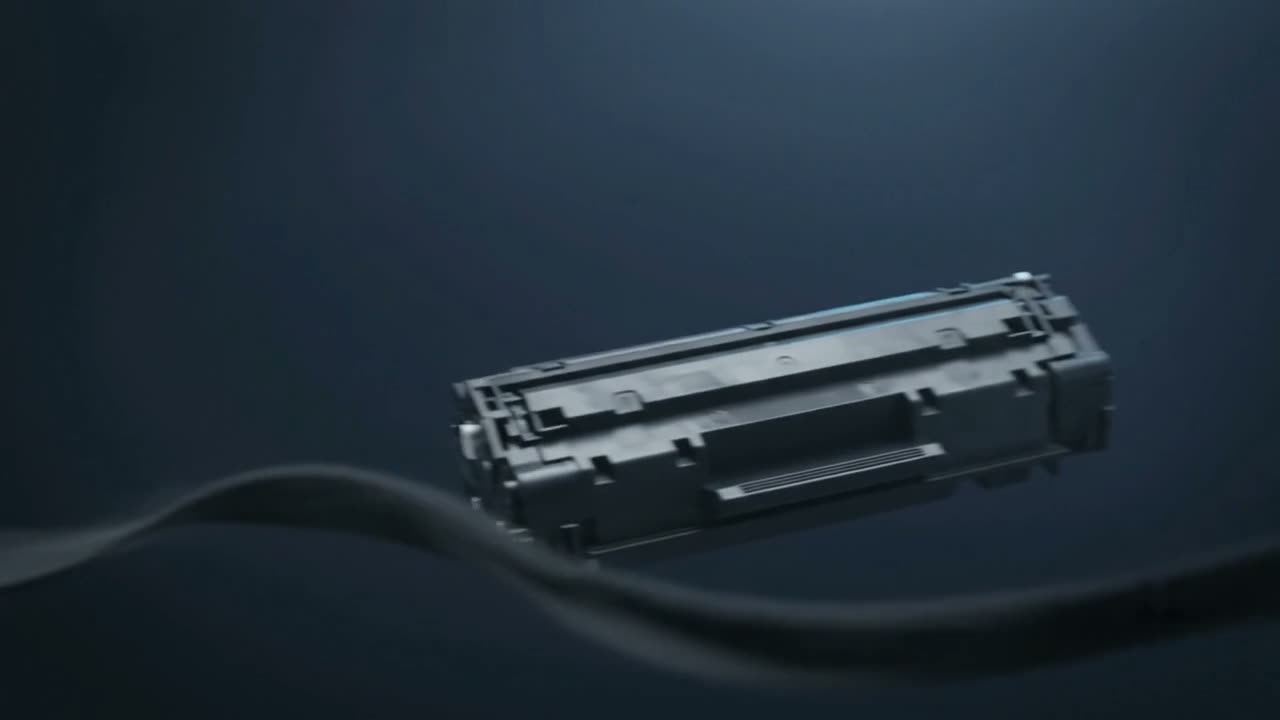
Toner refilling is replacing the toner powder in a spent laser cartridge so the cartridge can be used again. Done properly it also means cleaning out the waste chamber, checking the drum and wiper blade, resetting the chip where the machine needs it, and test-printing before the cartridge goes back. Skip those steps and you get streaks, leaks and a short life.
Why a bad refill gives refilling a bad name
Most people who say refilled toner doesn't work have had a cartridge that was drilled, filled and handed straight back. That cartridge will print — for a while — and then streak, leak into the machine, or stop feeding evenly.
The powder is the cheap part. The work is everything around it.
What a proper refill involves
- Strip and inspect. The cartridge comes apart. The drum, wiper blade, PCR and developer roller get looked at, because a worn wiper blade will streak every page no matter how good the toner is.
- Empty the waste chamber. Spent toner collects in a separate chamber. Leave it and it packs, backs up and dumps onto your paper.
- Clean out the residue. Old toner left in the hopper clumps and mixes badly with fresh powder.
- Fill with the correct grade. Toner is not generic — melt point and particle size are matched to the machine. The wrong powder fuses badly and rubs off the page.
- Reset the chip if the machine needs one. Many cartridges will not report correctly, or will refuse to print, until the chip is reset or replaced.
- Seal and test-print. Nothing goes back untested.
When a cartridge should be retired
A cartridge shell is not infinite. Drums wear, wiper blades harden, contacts corrode, and gears eventually strip. Refilling a shell that is past it produces a bad print and wastes your money.
Part of the job is telling you when a cartridge has had its last refill — and doing that honestly is why customers come back rather than trying the cheapest shop each time.
Any cartridge, any make
HP, Canon, Brother, Samsung, Epson, Lexmark, Ricoh and the rest — monochrome and colour, standard and high-yield. If it is a laser cartridge from a desktop or office machine, we refill it.
Collection and return
Bring cartridges to the workshop in Ayapakkam, or we collect. Offices running several machines usually keep a swap set, so there is never a gap waiting for a refill to come back — worth setting up if printing stopping for a day is a problem for you.
Common questions
Will refilled toner damage my printer?
Not when it is done properly. Damage comes from over-filling, the wrong grade of powder, or a waste chamber that was never emptied and has backed up into the machine. Those are refill-quality problems, not refilling problems.
How many times can one cartridge be refilled?
It depends on the cartridge and how it has been treated. The limit is the mechanical parts — drum surface, wiper blade, contacts, gears — rather than the shell. We check those each time and tell you when a cartridge has reached the end.
Does refilling void my printer warranty?
Using a refilled cartridge does not automatically void a printer warranty, but if a cartridge causes damage the manufacturer may not cover that specific repair. If your machine is new and still in warranty, it is worth thinking about.
What does a refill cost?
It varies by cartridge — a small monochrome cartridge and a high-yield colour set are not comparable. Call 92831 41595 with the cartridge code, or just the printer model, and we will tell you.
How long does it take?
Usually not long, but it depends on what the cartridge needs and what is already on the bench. If downtime is a problem, ask about keeping a swap cartridge.
My printer says the cartridge is empty but it was just refilled.
That is the chip, not the toner. Many cartridges carry a chip that counts down and keeps reporting empty until it is reset or replaced. It is a normal part of refilling those models.
Tell us what it is doing.
Call and describe the make and the symptom — most jobs are done in a single visit, and we will tell you straight if it is not worth repairing.